A large Baguio estate is not easy to sell. The buyer pool for a 1,000-plus square-meter lot or a sprawling single-family property is small to begin with, and most of those buyers will need bank financing. As we wrote in The Bank Financing Trap, the standard Philippine bank financing route puts the seller in a legally vulnerable position: you are asked to sign a Deed of Absolute Sale declaring you have been paid in full before the money is actually in your account.
For a seller who needs liquidity, the options look grim. Drop the price far enough to attract a cash buyer, and you may be giving away years of appreciation. Sit on the listing, and the holding costs, property taxes, and upkeep continue year after year.
There is a third option that is often overlooked: stop trying to sell the property outright and partner with a developer through a Joint Venture Agreement (JVA).
What a Landowner-Developer JVA Actually Is
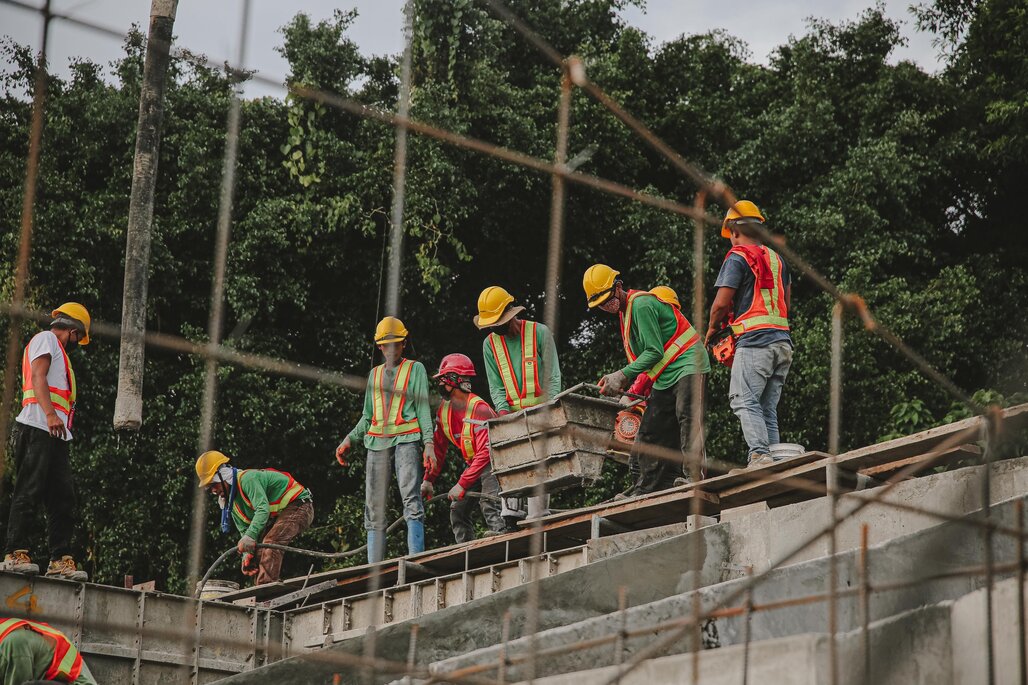
In a JVA, you do not sell the land. You contribute it. A developer contributes the capital, the architectural and engineering work, the permitting, and the sales operation required to turn a single large estate into multiple saleable units.
The developer might master-plan the property as a cluster of townhouses, a small mid-rise building, or a transient accommodation near a tourist corridor. Once the project is built and the units are sold, you and the developer split the proceeds, or the completed units themselves, according to a ratio you negotiate up front. The ratio reflects the appraised value of your land relative to the developer's construction cost.
This is the core trade: you give up exclusive ownership of a property you cannot easily monetize, and in exchange you retain an economic interest in a finished project that a professional team is incentivized to sell.
Why This Works When an Outright Sale Does Not
A cash buyer for a single large Baguio estate is rare. A buyer pool for a development of mid-sized, individually-titled units is far larger, because each unit falls within reach of buyers who can qualify for a bank loan. The developer's job is to convert your one hard-to-sell asset into many easier-to-sell assets.
You also stop competing with the builder's margin. When a developer buys land outright, they price it based on what they need the project's overall profit to be. When the same developer partners with you, the land's value is established through appraisal as part of negotiating the split, rather than through a one-sided negotiation where the buyer has all the leverage.
The sales timeline is also the developer's problem, not yours. Reputable developers in the Philippines presell units once the Department of Human Settlements and Urban Development (DHSUD) permit is secured, which means the project's revenue starts flowing before construction is complete. You are not paying the carrying costs of an unsold luxury listing while you wait for the right buyer to appear.
What the Agreement Has to Nail Down
A JVA only works if the contract protects you. The three provisions that matter most:
Profit and unit allocation. Spell out exactly how completed units or sales revenue are divided. If the split is in kind, define which units you receive. If it is in cash, define when and how payments are released as units sell.
Performance timelines. The developer must commit to concrete deadlines for securing permits, starting construction, and completing the project. Without enforceable milestones, a JVA can stall indefinitely and your land stays locked up.
Title protection. Your title should remain in your name until units are individually transferred to end-buyers. The land should not be conveyed to the developer wholesale at the start; it should be released parcel by parcel as completed units are sold.
Stop Waiting for One Cash Buyer
If you are sitting on a large property in Baguio and the offers are not coming, a JVA is worth discussing with a lawyer and a developer you trust. It is not a rescue. It is a different way of realizing the value of an asset that the outright-sale market is currently pricing poorly.
The question is not "how low do I have to drop my price to find a buyer." The question is whether your property is worth more as one estate nobody can afford, or as a finished development many households can buy into.